La Dolce Vita: Studying the 18th-century in Rome
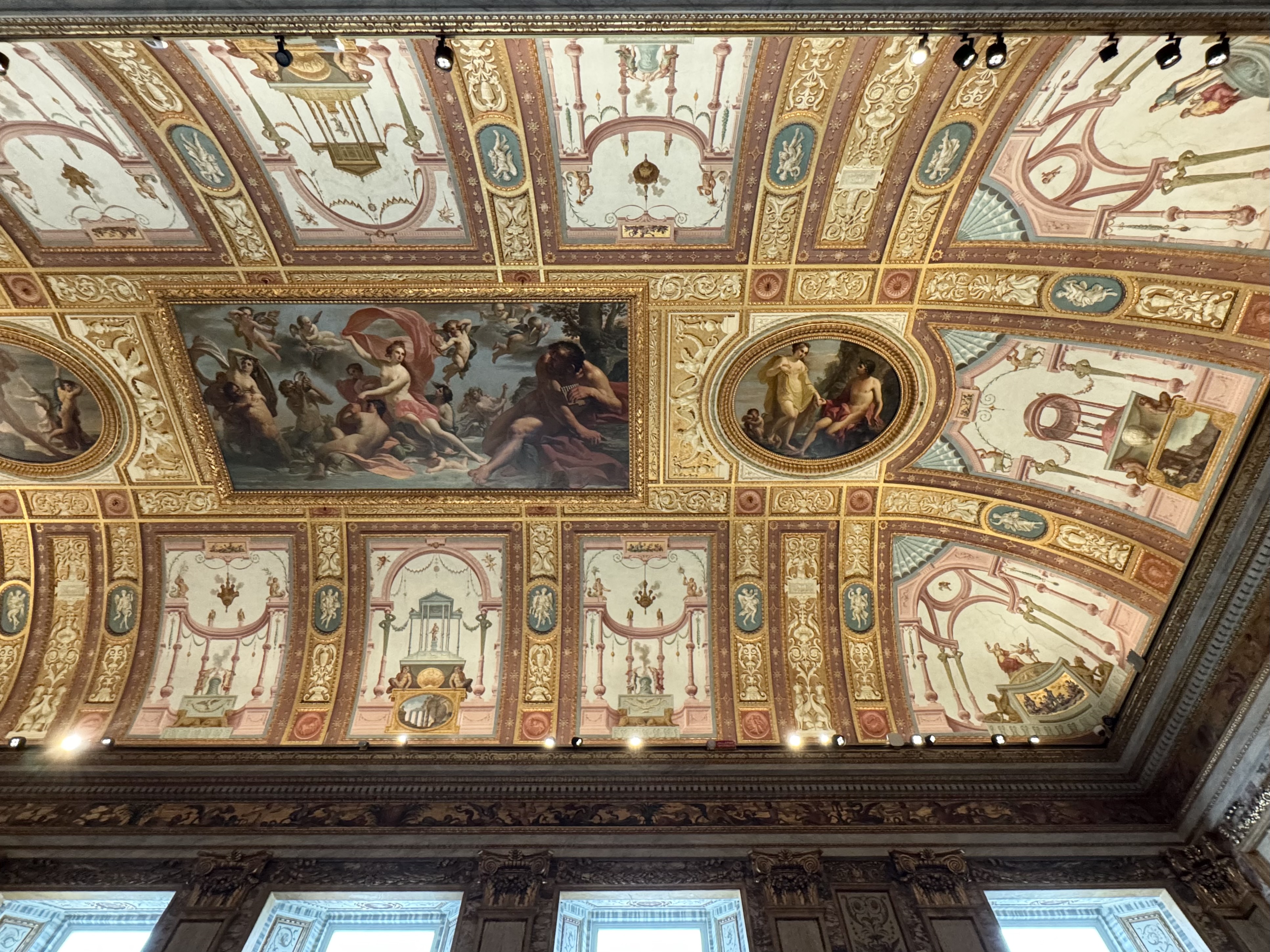
For the whole month of October, I attended a course on the 18th-century at the Swedish institute in Rome. Focusing on both the built environment and architecture of the eternal city as well as the objects, collections and collecting practices of that time. It truly was an immersive experience in all things stemming from the eighteenth century.
I also took the opportunity to further explore the city beyond the planned curriculum. Visiting both Domus Aurea, and other sights like the Galleria Colonna and Villa Medici.
Still, like the true art historian, personal interests almost always both overlap and interconnect with the professional ones. Feeding into both. As in the case with Domus Aurea, not only is it from 68 A.D., about 1700 years before my research interest: the eighteenth century. Making it well out of my conventional scope. But still within it, as it is the point of origin of grottescos and the decorative interior painting that emerged in several vases as Neo-classicism both during the renaissance and the 18th-century. Thus, greatly influencing the arts and architecture.
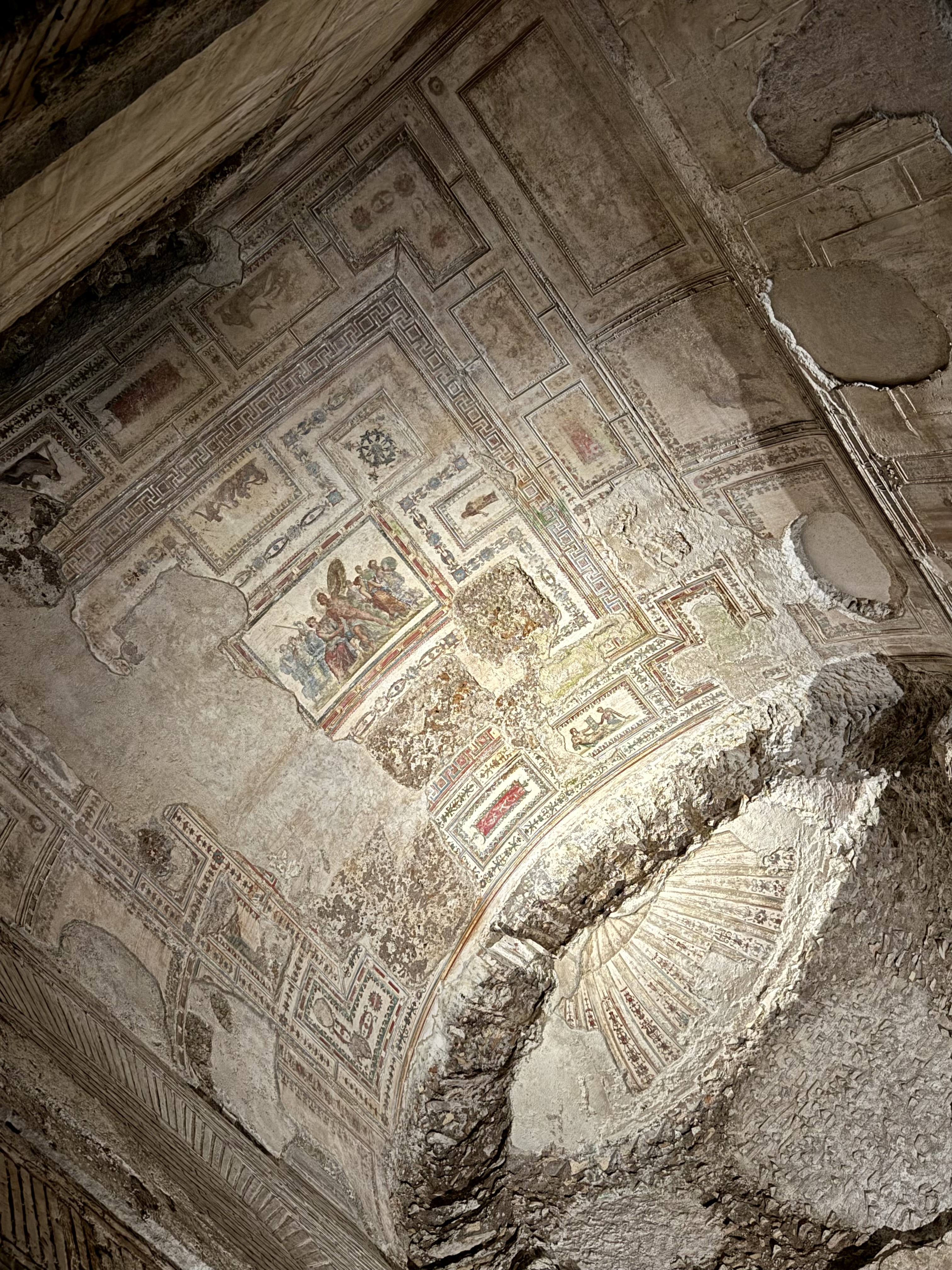
Ceiling in Domus Aurea
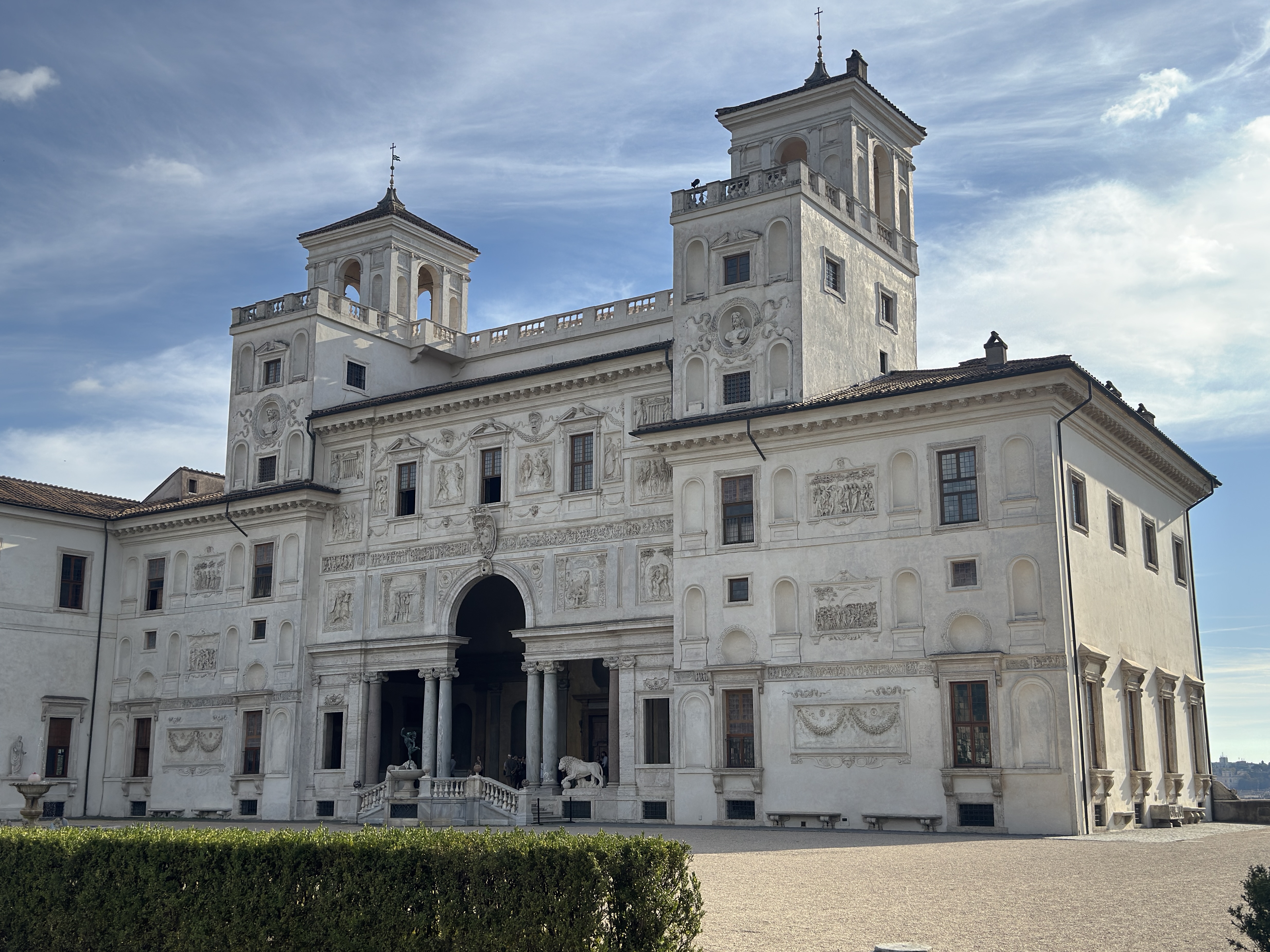
Visiting the French institute and its Villa Medici was also an experience. A true Renaissance piece, it awoke my interest in the Italian renaissance. Once again showing proof of timeless classical elements in architecture, as the Palladian motifs, and architectural orders, encoding the built environment.
Of course, Rome not only delivered great art and architecture. The cuisine was also delicious. Might have had two daily gelatos at least.